
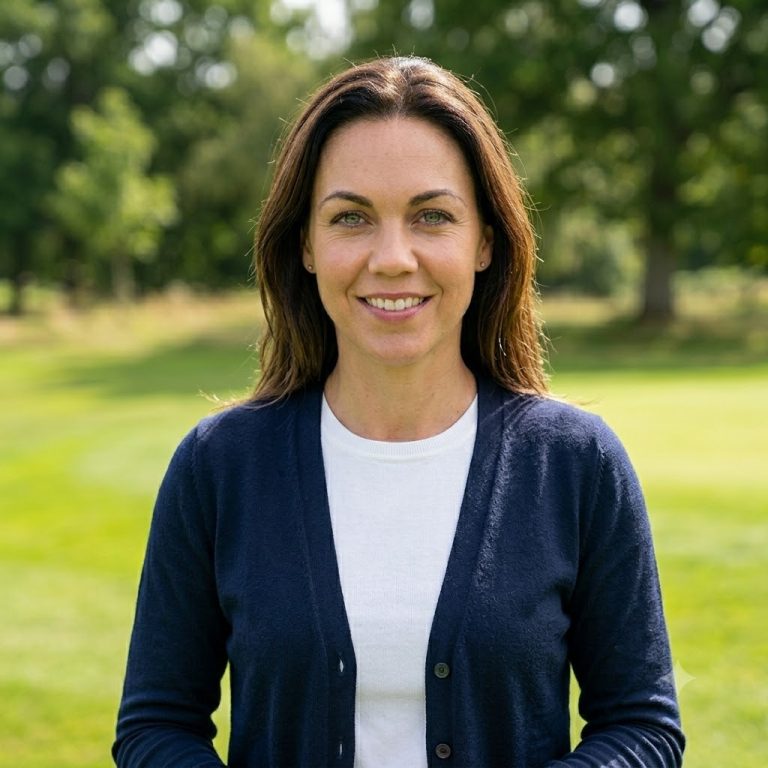
I’ve always preferred the stories that happen just beyond the broadcast frame.
From my base in Sydney, Australia, I’ve built my life in sports journalism around one simple idea: the score matters, but it’s never the whole story. I’m drawn to the quiet routines before the stadium fills, the decisions made in meeting rooms, and the human moments that turn a match into something fans carry with them for years. Whether I’m covering football, golf, Formula 1, or whatever sport has the country talking this week, I’m following the same thread — curiosity, and a deep respect for the people who make sport what it is.
A journalist shaped by Sydney
Sydney is a city that lives outdoors. Sport isn’t a “special occasion” here — it’s part of the weekly rhythm, as normal as the weather. Growing up around that energy taught me early that sport is never just entertainment. It’s identity, community, and sometimes a pressure cooker.
That lens still shapes how I approach a story. I listen for the way athletes speak when they’re away from the microphone, how coaches choose their words when a season is tipping, and how fans show up regardless of results. When I’m writing at my best, it should feel like a conversation: close enough that you can see the detail, honest enough that I’m not pushing you toward a neat conclusion.
What I cover, and why it matters
My beat isn’t defined by a single league. It’s defined by a set of questions I keep coming back to:
- What does winning cost, and who pays it?
- What don’t we see when the cameras cut away?
- How do athletes and teams handle the moments that change a career?
That mindset is what makes my work flexible. One week I might be digging into the tactical shifts behind a football rivalry. The next, I’m unpacking how a Formula 1 weekend changes a city — or what it takes for a golfer to rebuild confidence after a string of missed cuts.
No matter the sport, the throughline is the same: sport is a stage, but the story is the person.
The stories off camera
The journalism I’m proudest of usually lives in the margins: the rehab sessions, the long travel days, the support staff who rarely get a quote, and the families who learn to celebrate quietly. I’m drawn to those spaces because they’re where elite performance is built — and where it can unravel.
I’m also drawn to emotion. Not the manufactured kind, but the genuine flashes that remind you why sport can feel so personal. Relief after a hard-fought draw. Frustration of a near-miss. The calm confidence of a veteran who’s learned that one bad performance doesn’t define a season.
Those details aren’t just colour. They help us understand how performance is built, and why it can be so fragile.
Adding to the conversation, not closing it
I love that sport gives people something to argue about and return to long after the final whistle. I don’t write to shut down debate. I write to deepen it.
I try to keep my analysis grounded in what I’ve seen and heard, not in hot takes. When I’m critical, it’s usually in service of understanding: why a decision made sense in the moment, what the alternatives were, and what might change next. In a media landscape that often rewards outrage and speed, I’d rather be specific than loud.
What I hope you notice in my work
There are plenty of great sports writers. What I’m always working toward is balance — intensity without cliché, pace without flattening the story into something generic.
I want to leave room for context. I want to ask the extra question. I want to listen for what isn’t being said. And I want to treat you, the reader, as capable — because that’s how people actually follow sport: with memory, with feeling, and with a long list of moments they can replay in their heads.
Why I keep doing this
If you love sport but you also love the people behind it, then you’re exactly who I’m writing for.
Follow along for reporting that stays close to the human story, for thoughtful analysis that doesn’t lose sight of the stakes, and for writing that remembers the hard work happening off camera.
Because in the end, the best sports journalism does what sport itself does at its best:
It brings you into the moment — and it gives you something to talk about after it’s over.